-
-
♔
Catalogue
-
♕
Collections
 2
2
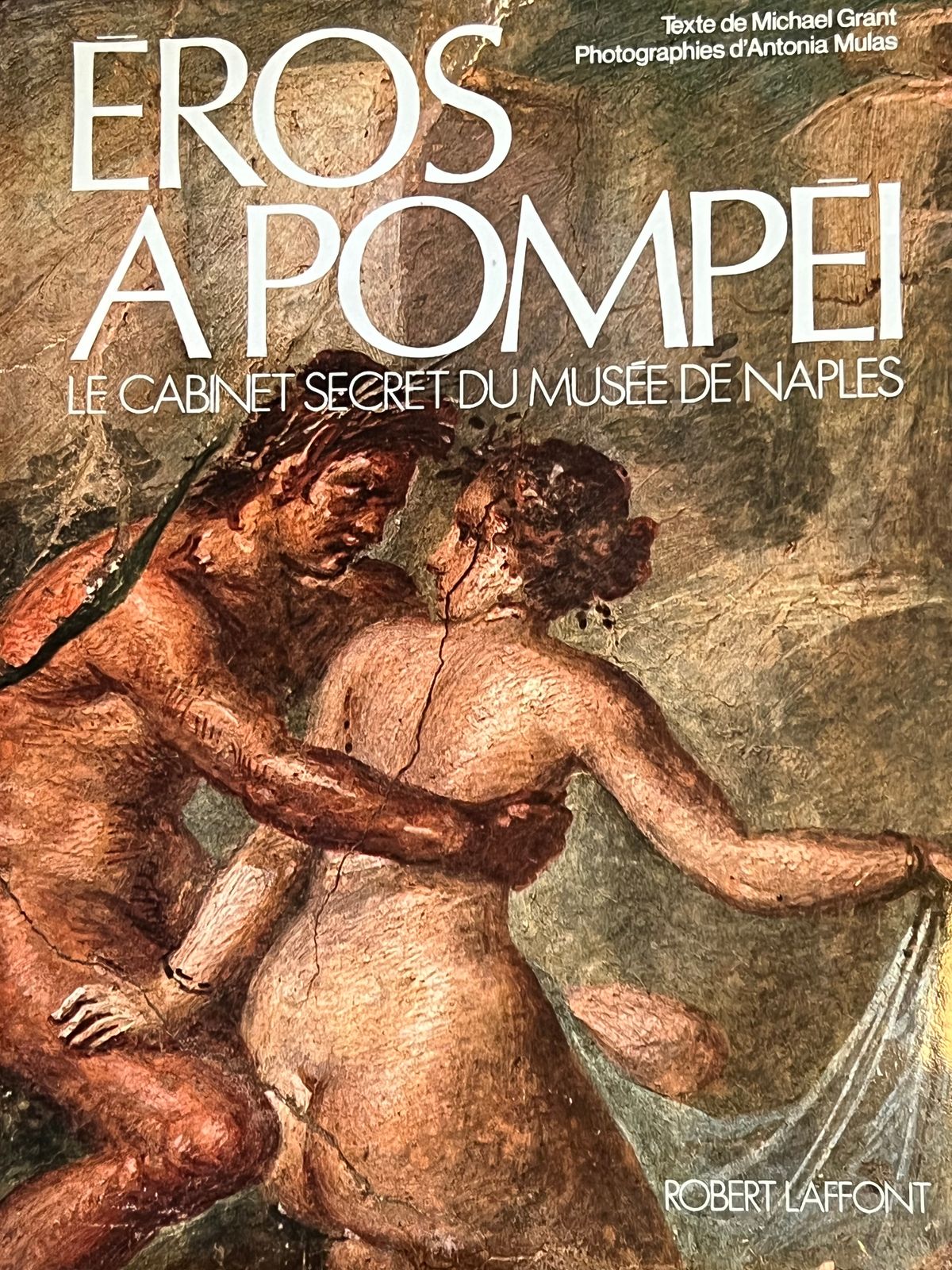
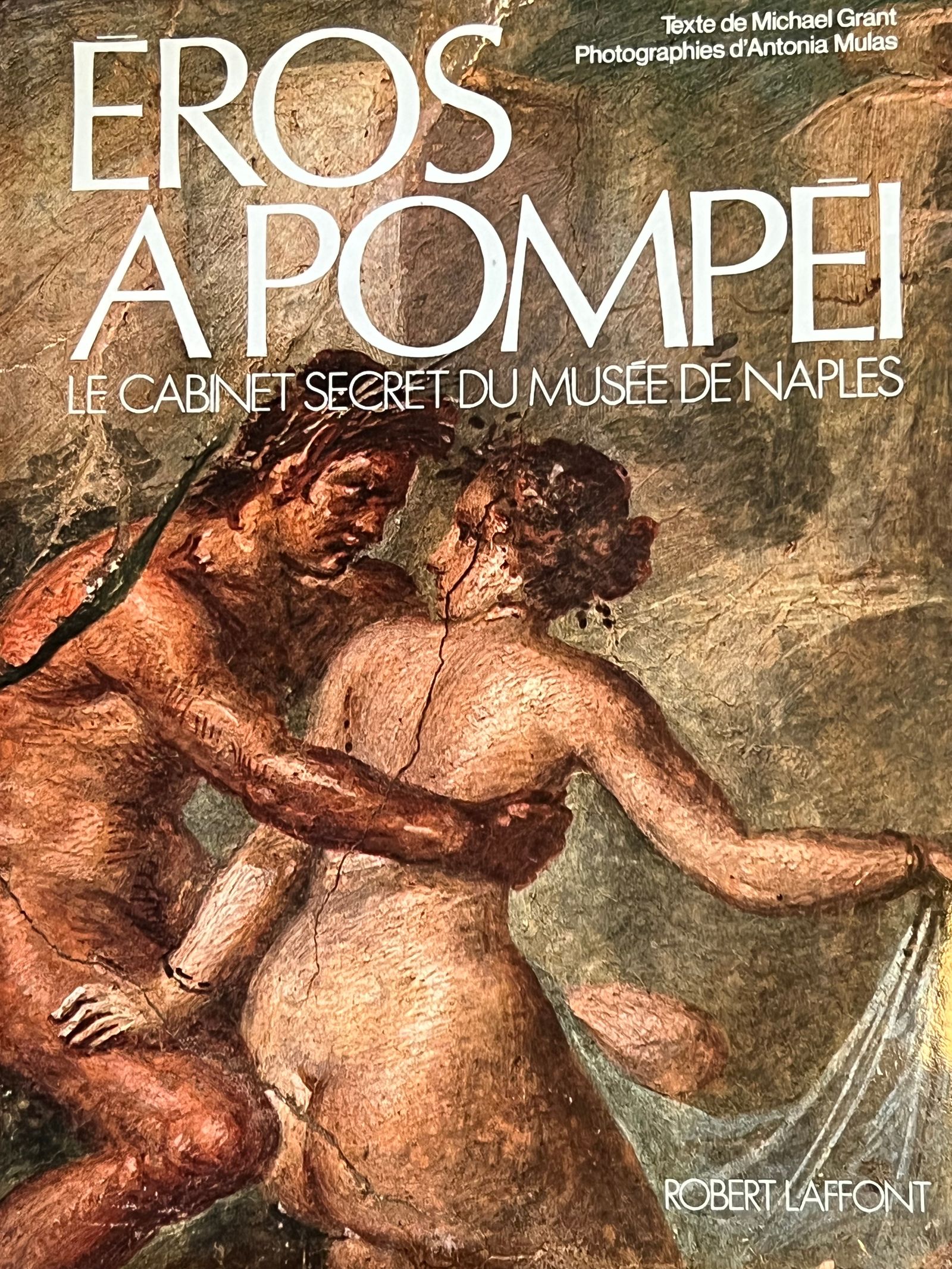
☙ Eros à Pompéi
1975 - Michael Grant
Published in 1975 by Robert Laffont, "Eros à Pompéi" offers an unprecedented exploration of the famous Secret Cabinet of the National Archaeological Museum of Naples. This work unveils a collection of erotic objects and frescoes discovered during excavations at Pompeii and... ☞ Read more
- Free delivery to your door in 🇺🇸 États-Unis
- Your price includes all duties, taxes, tariffs, and shipping to any address in 🇺🇸
- What you see is what you pay — no surprises at checkout or delivery.
Mark it for later — it might just be waiting for you!
☙ Eros à Pompéi
✑ Michael Grant
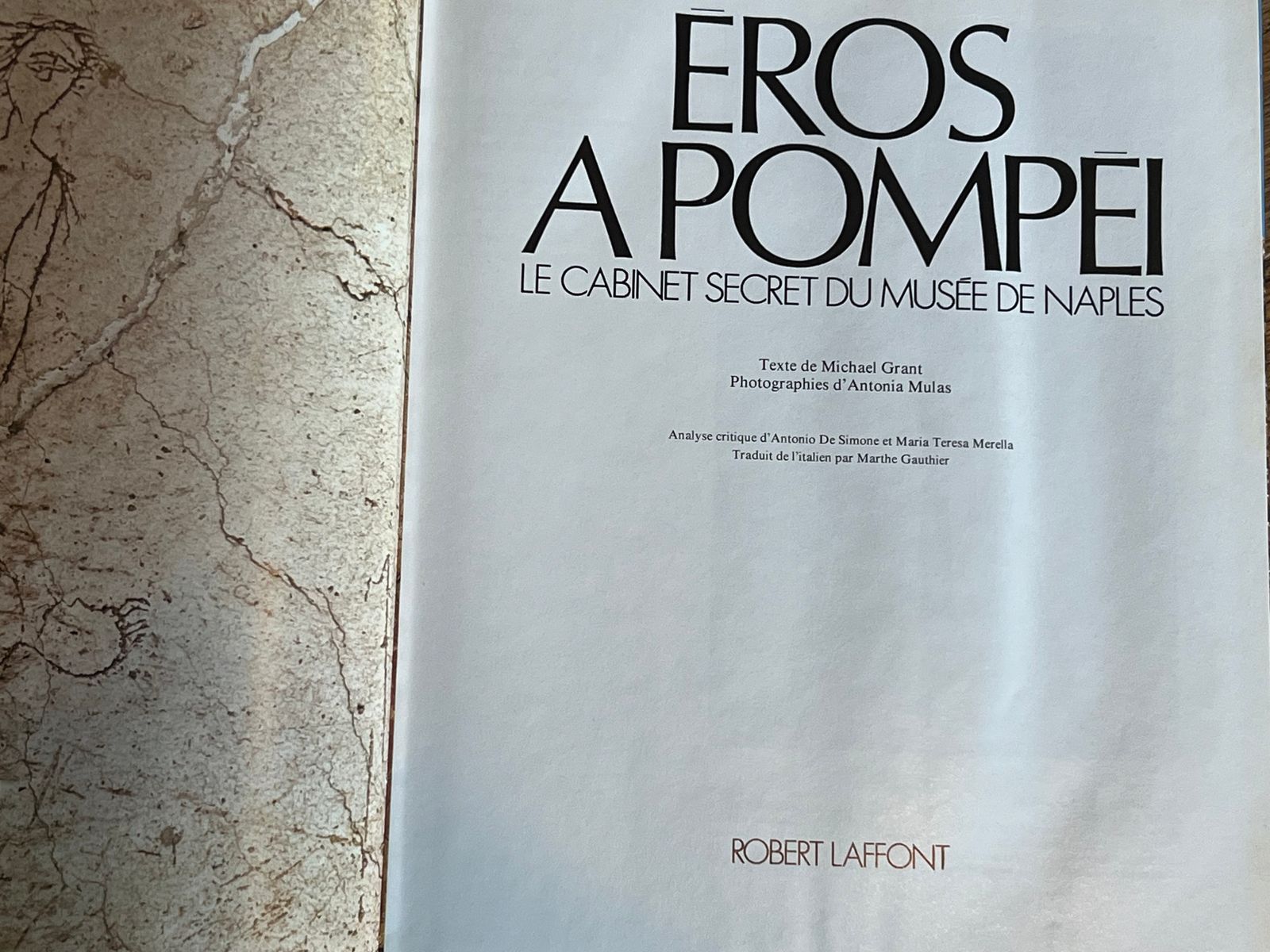
EROS À POMPÉI, LE CABINET SECRET DU MUSÉE DE NAPLES
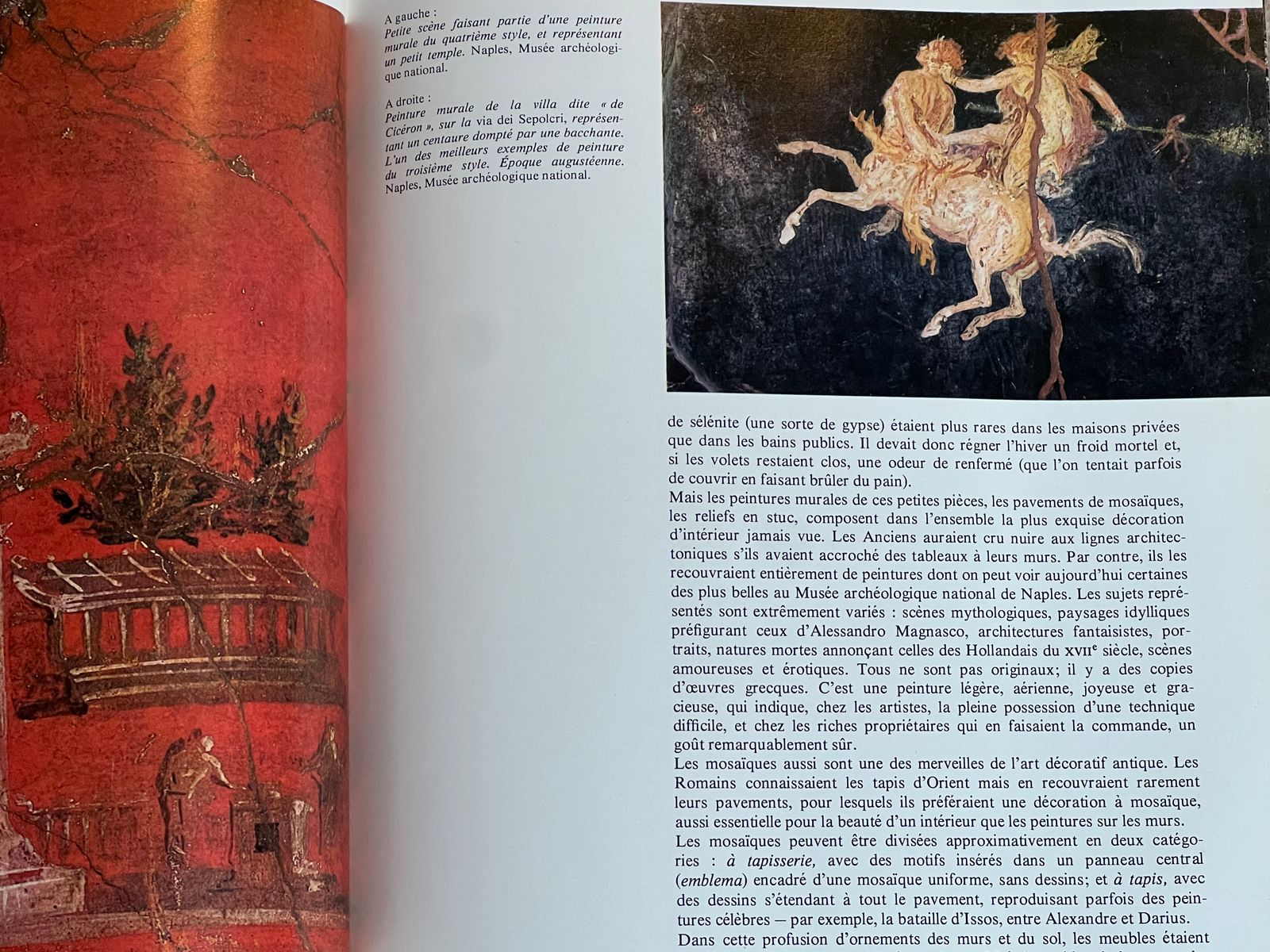
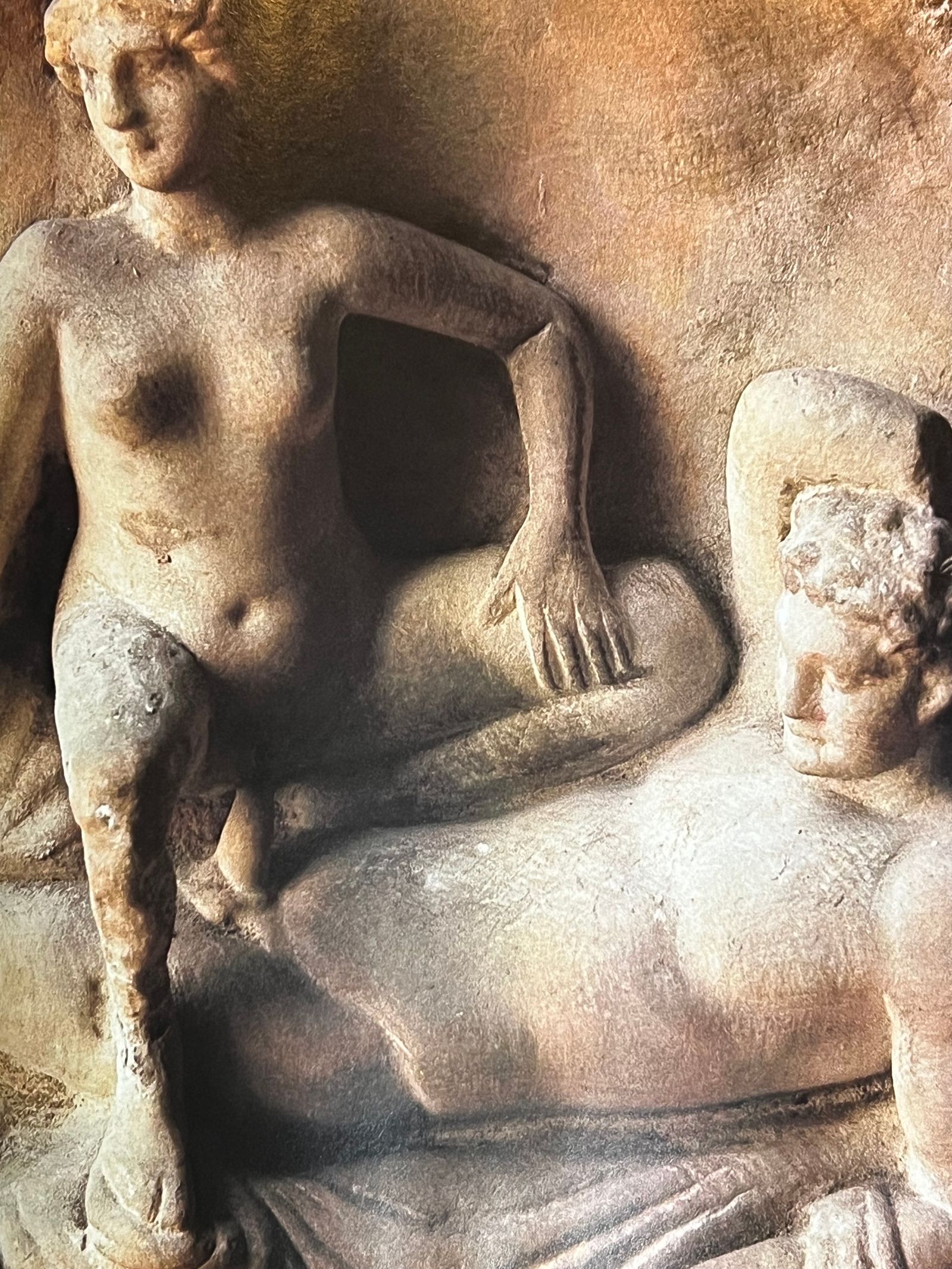
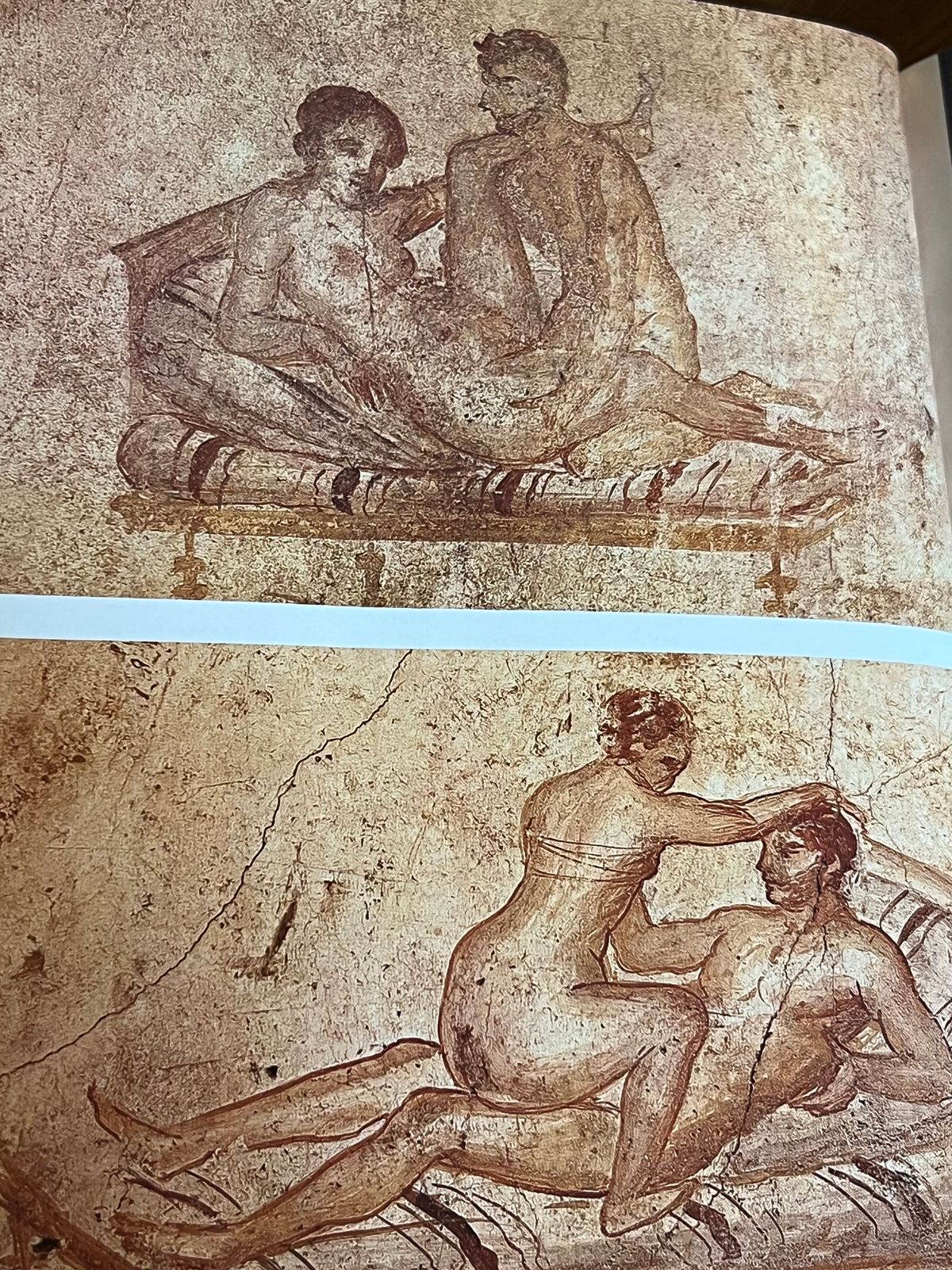
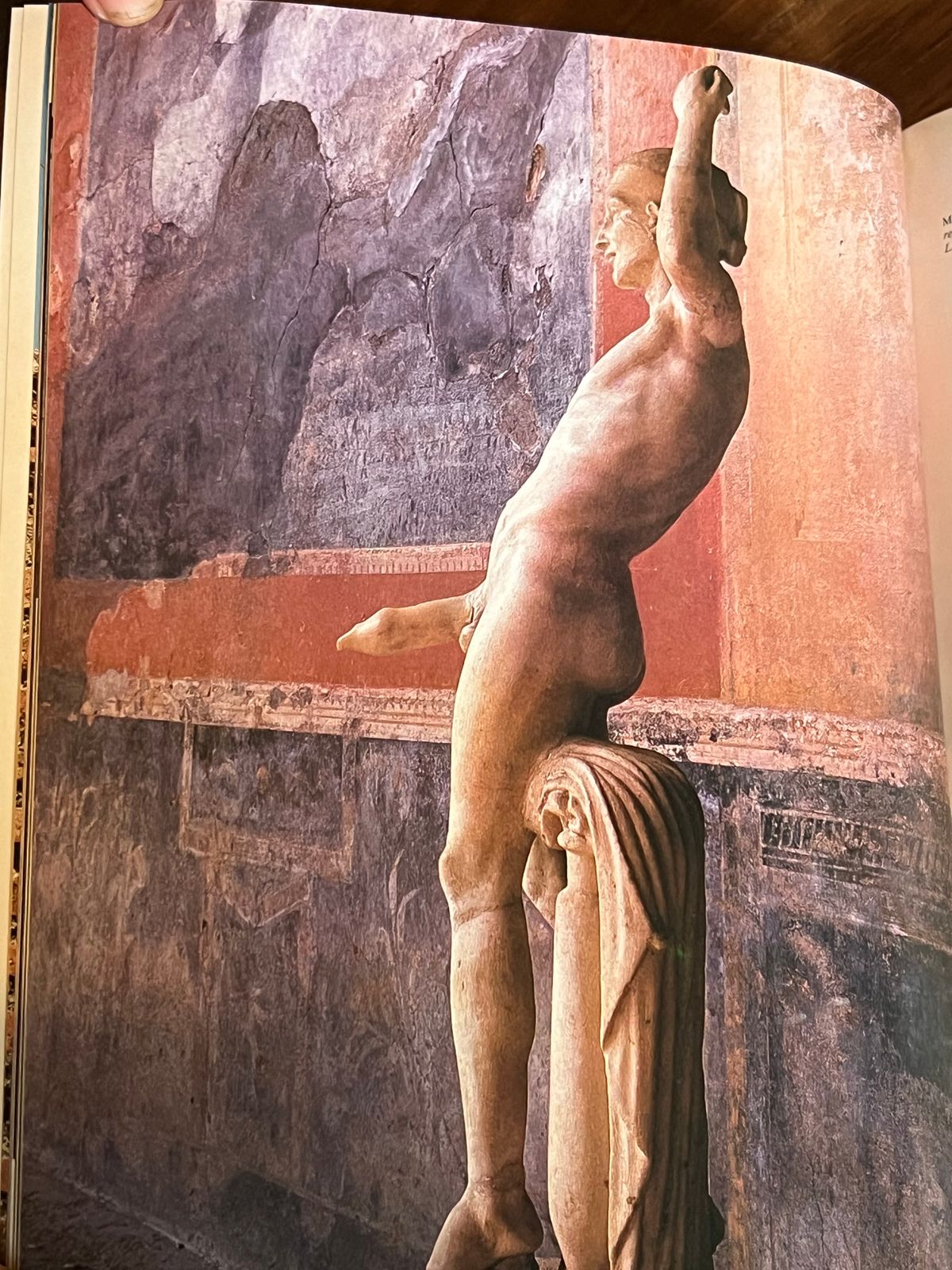
Published in 1975 by Robert Laffont, "Eros à Pompéi" offers an unprecedented exploration of the famous Secret Cabinet of the National Archaeological Museum of Naples. This work unveils a collection of erotic objects and frescoes discovered during excavations at Pompeii and Herculaneum, long hidden from public view for reasons of modesty. Michael Grant, a renowned British historian known for his work on Roman antiquity, provides a scholarly and well-documented analysis of these works, placing them in their historical and cultural context. The photographs by Antonia Mulas, a highly talented Italian photographer, offer an artistic and respectful view of these testimonies from a society where eroticism occupied a central place in art and daily life. This French edition allows French-speaking audiences to discover a little-known aspect of Roman civilization, through images and commentary that combine scientific rigor with aesthetic quality.
Why add it to your collection?
- Reference work on ancient erotic art, revealing the long-censored treasures of the Archaeological Museum of Naples
- Exceptional photographs by Antonia Mulas, renowned Milanese photographer specializing in art and archaeology
- Academic study by Michael Grant, distinguished British historian and specialist in Roman antiquity
- Unique testimony on private life and sexuality in ancient Rome, through the discoveries of Pompeii and Herculaneum
- Sought-after French edition by collectors of works on classical archaeology and the history of morals
Description
A Long-Forbidden Collection
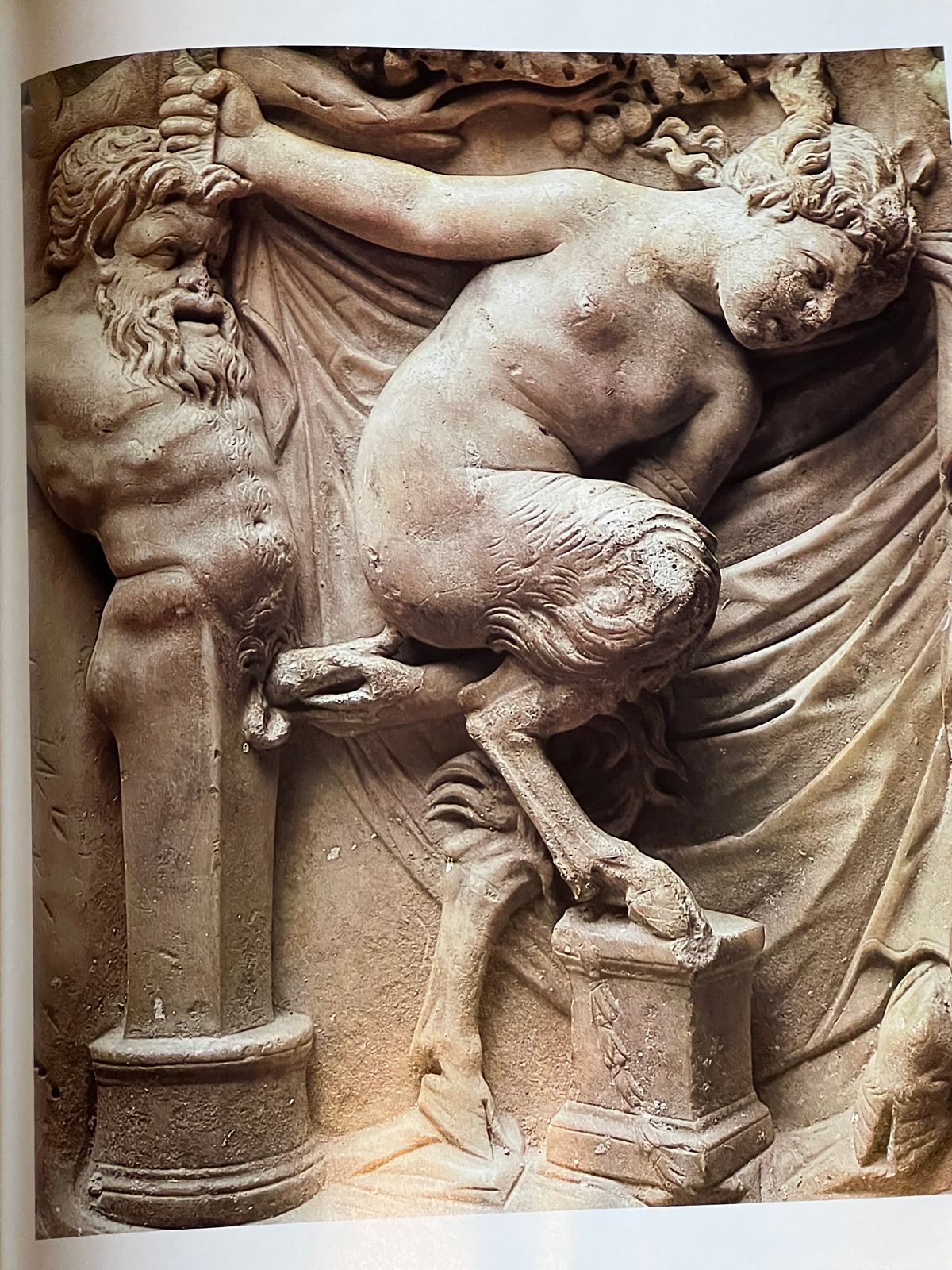
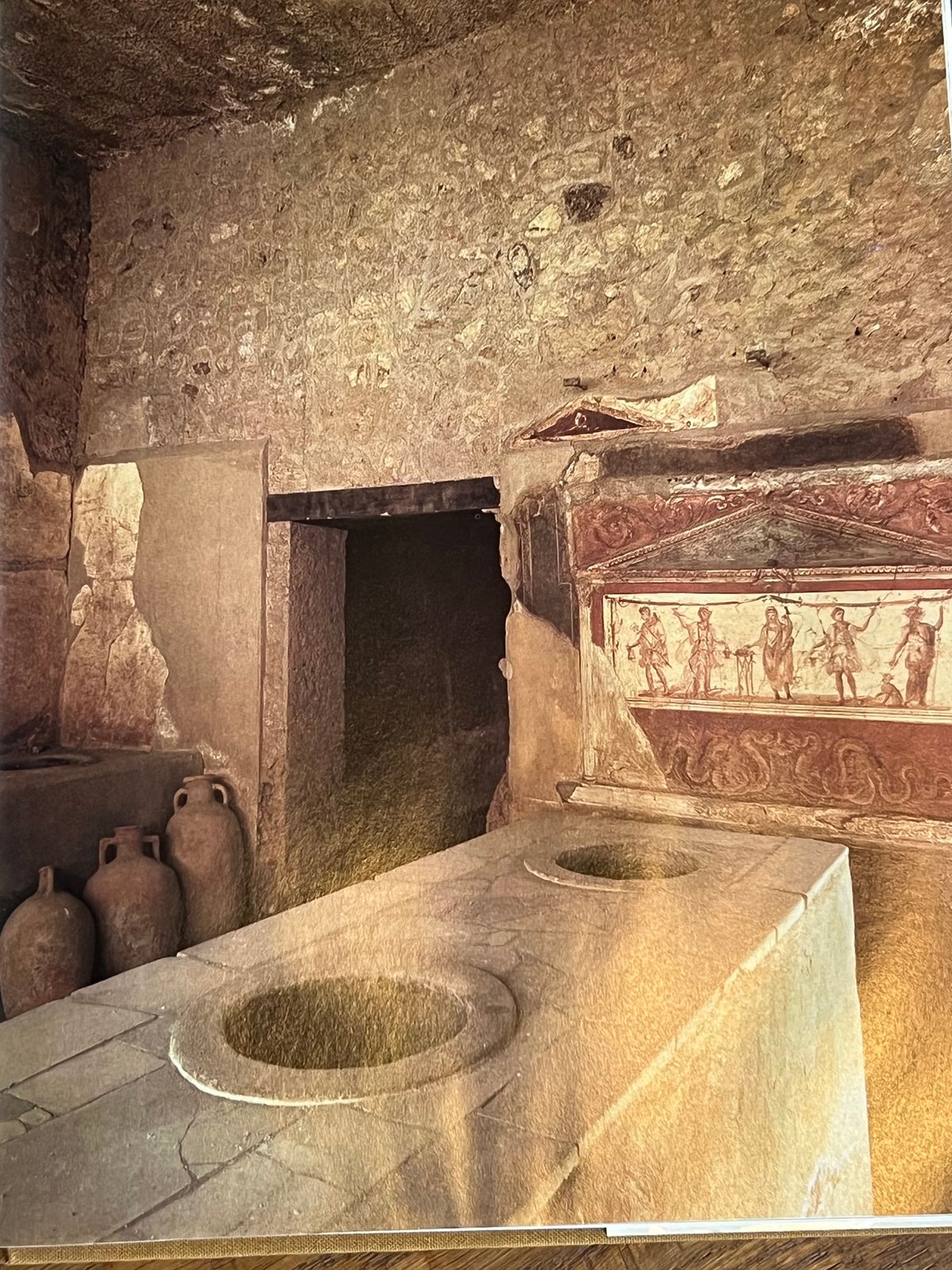
The Secret Cabinet of the Naples Museum constitutes one of the most fascinating and controversial collections in European archaeology. Created in the 19th century to house discoveries deemed too scandalous for public display, this cabinet brings together frescoes, sculptures, oil lamps, amulets, and everyday objects bearing explicit erotic representations. These works, uncovered during excavations at Pompeii, Herculaneum, and Stabiae—cities buried by the eruption of Vesuvius in 79 AD—offer direct testimony to the place of sexuality in ancient Roman society.
Michael Grant's Analysis
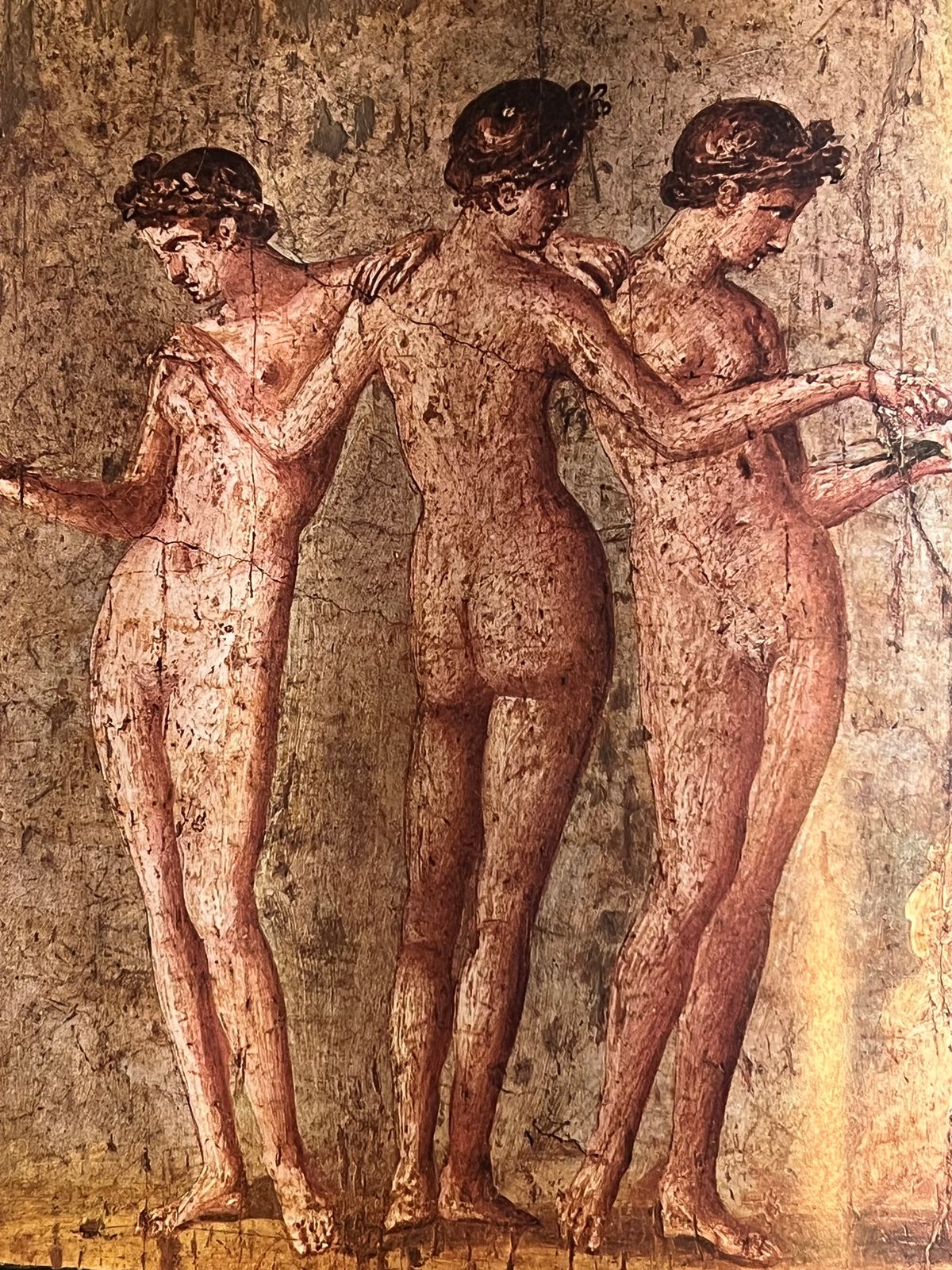
Michael Grant brings to this work his profound knowledge of Roman antiquity. Former president of the Classical Association and author of numerous reference works, he places these erotic representations in their social, religious, and artistic context. Grant demonstrates that these images, far from being simply pornographic in the modern sense, served various functions: protection against the evil eye, celebration of fertility, decoration of brothels, or simple expression of Roman joie de vivre. His erudite yet accessible text helps us understand how Romans perceived sexuality, without the taboos that would characterize later Western societies.
Antonia Mulas's Photographs
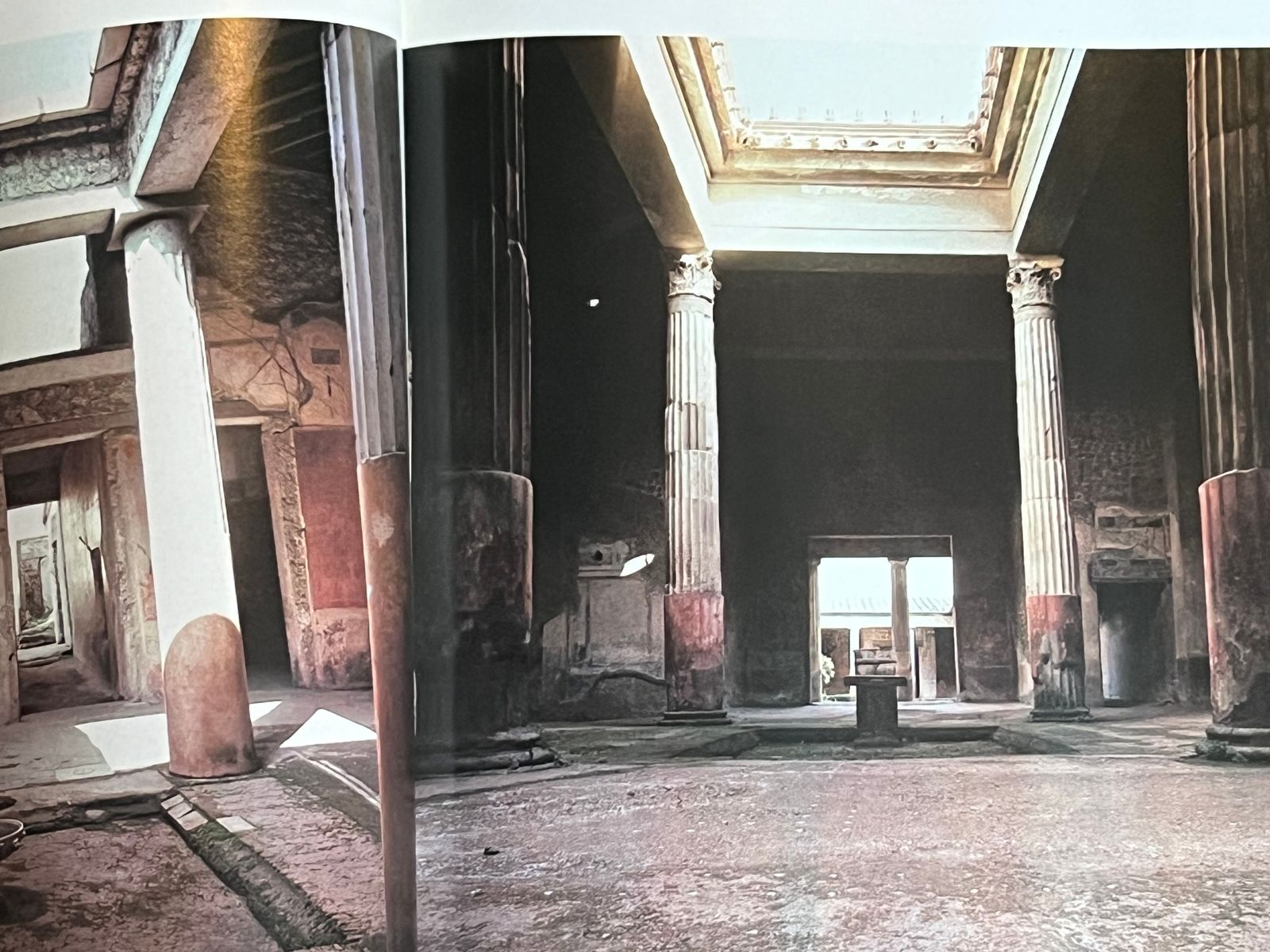
Antonia Mulas's images constitute an essential element of this work. This Milanese photographer, a regular contributor to international art journals, captured these ancient works with remarkable artistic sensitivity. Her black-and-white and color photographs reveal the details of Pompeian frescoes, the refinement of bronze sculptures, the humor of anthropomorphic oil lamps. The reproduction quality allows appreciation of both the technical mastery of Roman craftsmen and the formal beauty of these creations, beyond their erotic content alone.
A Major Historical Document
This work represents far more than a simple picture book. It constitutes an essential historical document for understanding the daily life, beliefs, and values of ancient Rome. The objects presented come from varied contexts: private homes, public baths, sanctuaries, shops. They testify to a society where the representation of the body and sexuality did not provoke the same disapproval as in Christian Europe. The 1975 French edition, published in a context of moral liberation, participates in a movement of rediscovery and reevaluation of ancient heritage, freed from the Victorian prejudices that had led to the confinement of these treasures.
Mark it for later — it might just be waiting for you!
- Year
- ❧ 1975
- Century
- ❧ XX
- Author
- Michael Grant
- Publisher
-
- Robert Laffont
- Illustrator
- Antonia Mulas
- Ref #
- EPM-347
- Dimensions
- 240 mm • 295 mm • 22 mm
- Weight
- 1.300 gram
- Condition
- *** Good
 ➜
➜